

“So much more than just catching fish!” – How angling can boost its bigger picture credentials!
Ask a dictionary, or even AI, to define angling and we get simplistic answers revolving around hooks, lines and fish. But what angling means to us personally and collectively is far harder to define.
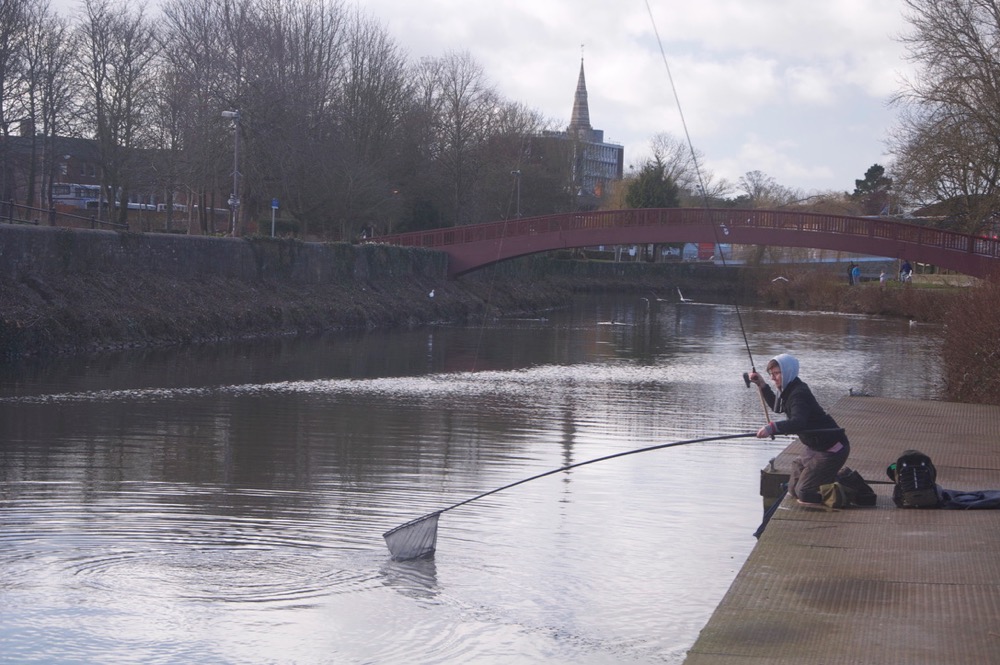
Angling brings us so much more than just fish, and is so often a lifeline for participants. But could we do more?
The thrill of catching fish is a given, but what else? A boost to our health? A way to socialise or destress? A means to challenge depression or antisocial behaviour? The list is endless, even if public perception of angling has yet to catch up. But does this matter?
In a word, yes! As we discussed in last month’s blog post about funding, fishing is still often poorly supported compared to other activities. Furthermore, in a world of fickle public opinion, the very future of angling might depend on its wider, undersold social and environmental benefits.
In this blog post, therefore, we thought we would look at some examples of where angling has succeeded in showing its community credentials. Displaying our sport in its best light, these sort of projects are a priceless win-win for both fishing and the community!
Fishing for mental health and rehabilitation

Tackling Minds anglers enjoy a sociable session!
In spite of angling’s boost to mental and physical health, efforts to publicise this more widely are still in their infancy. Multiple studies now show clear evidence that fishing is good for you, a great example being Anglia Ruskin University’s study in collaboration with ground-breaking charity Tackling Minds that found anglers were “less likely to self-harm, report anxiety or attempt suicide”.
Several groups now use fishing directly to help those struggling with mental health challenges. Tackling Minds (www.tacklingminds.org) has been one of the best examples, delivering sessions with a wide range of ages and backgrounds. Groups for specific people have also been strong, especially those catering for ex-forces personnel and conditions such as PTSD, such as Fishing for Forces (www.fishingforforces.org).
What is clear from so many examples is that angling is a game changer to those often missed by mainstream services and treatments. Men, in particular, are often reluctant to seek therapy let alone talk about their difficulties with professionals- but fishing offers a totally different and less stressful environment! Countless participants have said that angling has helped their wellbeing, with some even stating that it saved them from suicide.
Now that evidence is growing, isn’t it time we did even more?
Angling against loneliness and antisocial behaviour
One of angling’s greatest qualities is that it appeals to all ages, abilities and backgrounds. The fish don’t care if we are old or young, rich or poor, and this inclusivity makes it ideal for community groups of many kinds.
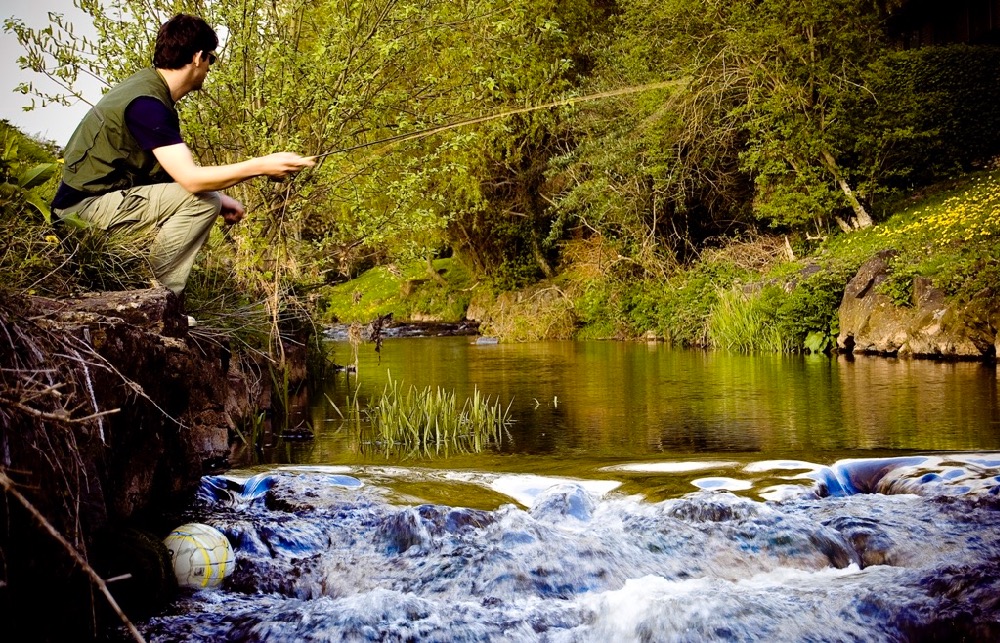
Urban fisheries are especially valuable to the less affluent.
Addressing one of the UK’s biggest hidden social issues, loneliness and social isolation, fishing is particularly valuable. That Sunday club match or weekly social meet-up can be so much more than a chance to fish.
Angling is especially good for elderly men, who tend to be more socially isolated than their female peers. One great example of this was HMS Heron fishing club’s collaboration with Age UK, as championed in the Angling Times. The project gave a lifeline to older participants, encouraging them to make new friends and get outdoors, gaining BBC and media coverage in the process!
For the young, too, fishing projects and collaborations with charities and groups can be hugely successful. Many police forces and volunteers have used angling as a way to build bridges and combat anti-social behaviour. Kent Police are just one example who have run sessions to engage with local youngsters in a way that is not always possible through conventional policing and education.
All of which goes to show that when fisheries and fishing clubs engage with groups, charities and the wider community, there are wins on so many levels! When efforts are made to ban fishing or close fisheries, for instance, community projects make it obvious that there is far more to lose than a few fish.
Fishing for exercise and recovery
Perhaps the most undersold angling benefit of all is exercise. Sadly, we are still viewed as a “lazy” sport, in spite of the fact that going fishing can involve a lot of walking, lifting and stretching. Just being outdoors in nature is good for our health, studies show. Furthermore, for older and less mobile members of the community, who might not be able to run for miles or hit a ball, it offers regular, gentle exercise.
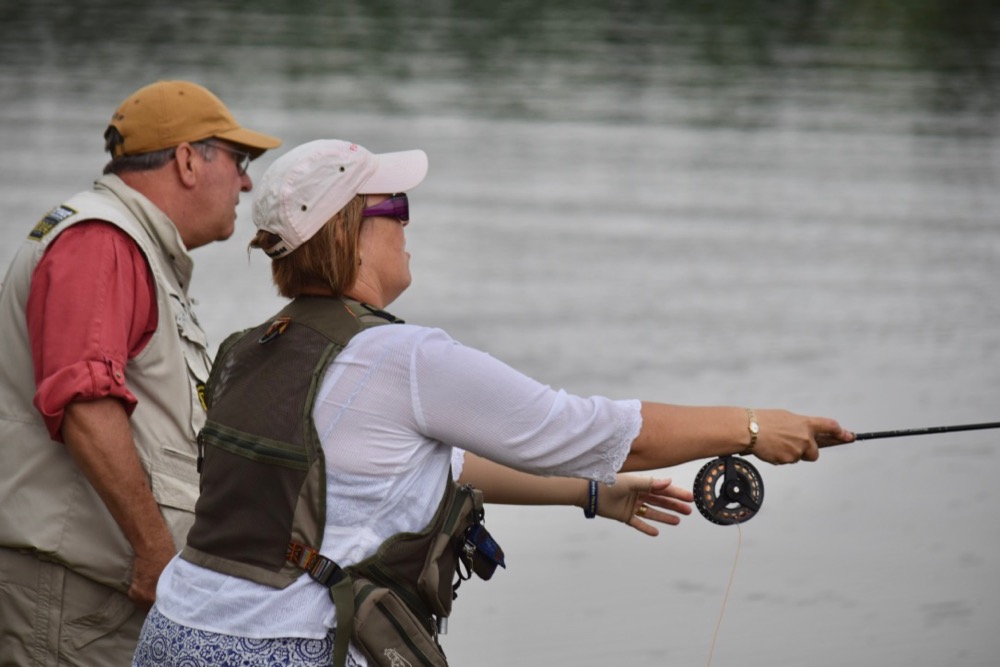
Fishing for Life South West helps those recovering from cancer.
If that still seems a bit of a leap for the wider public, you only have to look at the success of angling as a way to rehabilitate those recovering from serious illness. Charities such as South West Fishing for Life and Casting for Recovery have seen powerful results with women recovering from cancer, with fly fishing providing friendship, exercise and focus for its anglers.
At long last, NHS practitioners are now prescribing fishing for its wellbeing benefits. However, there is so much that can still be done if clubs and fisheries make deeper connections with the communities they already serve.
Community fishing: a PR battle we can clearly win!
The huge range of projects and social benefits of angling might be too broad for one blog post, but what is patently obvious is that when our sport engages with the wider community, the results speak for themselves! As anglers ourselves we know how valuable the sport is for our health and happiness, but we still have a long way to go in promoting what we do.
Using angling to bridge gaps, make our sport more inclusive and help those in need is not about box ticking- it’s about the very future of fishing! We’ve hardly even touched on other huge selling points, such as the huge PR wins fisheries and clubs make when they make habitat improvements, boost nature and get involved with schools.
In an era of negative news, an uplifting story or big win is even more powerful. Wouldn’t it be great to see more of these and more funding for angling to make its mark? For that to happen, though, we need to look beyond the sport itself and spread the net wider.
Ready to upgrade your fishery’s ticketing experience? Speak to Clubmate. We’re the go-to fishery management software trusted by over 100,000 anglers and 1500+ fishing club committee members and bailiffs.
We’ll help you remove unnecessary paperwork, increase revenue and take back your spare time with our simple-to-use, cloud-based system designed specifically for fishing clubs and fisheries. Book a 1-2-1 demo with one of our fishing club experts or see what people have to say about working with us.